
Planning a party with a bounce house sounds simple enough. Pick a date, invite the kids, and let them burn off some energy. But if you’ve never hosted an inflatable before, it’s natural to wonder: Are bounce houses safe? What rules should parents follow? How much supervision is really needed? The good news is that bounce houses can be a safe and enjoyable part of a party when basic precautions are followed. Understanding a few key bounce house safety tips before guests arrive can help prevent accidents and create a smoother experience for everyone involved. By the end of this guide, you’ll understand the most important inflatable safety rules, supervision strategies, and safe play guidelines that help keep kids having fun while minimizing risks. 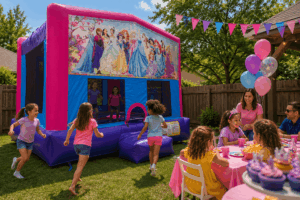
Why Bounce House Safety Matters
Inflatables are designed for active play. Kids jump, bounce, climb, and move around constantly, which is part of what makes them so popular. However, most bounce house injuries happen because of preventable issues such as:- Too many children using the inflatable at once
- Large age or size differences between participants
- Roughhousing or unsafe behavior
- Lack of adult supervision
- Improper setup conditions
What Are the Most Important Bounce House Safety Rules?
Every inflatable should have clearly posted operating guidelines, but several universal rules apply to almost every situation.Separate Children by Age and Size
One of the most important inflatable safety rules is keeping similarly sized children together. A group of toddlers bouncing alongside older children or teenagers creates a higher risk of collisions and falls. Larger children naturally generate more force, even when they’re simply playing normally. When possible, rotate groups based on age ranges rather than allowing everyone inside at once.Limit Occupancy
Bounce houses have recommended capacity limits based on their size and design. More children does not equal more fun if the inflatable becomes overcrowded. Following occupancy guidelines helps maintain stability and reduces the chance of accidental collisions.Remove Shoes and Sharp Objects
Before entering:- Remove shoes
- Empty pockets
- Remove jewelry when appropriate
- Avoid toys or objects that could puncture the inflatable
How Much Adult Supervision Does a Bounce House Need?
Many parents assume they can simply set up a chair nearby and occasionally glance over. In reality, active supervision is one of the most effective ways to reduce accidents.Designate One Responsible Adult
Rather than assuming several adults are watching, choose one person whose primary responsibility is monitoring the inflatable. This helps avoid the common situation where everyone thinks someone else is paying attention.Watch for Unsafe Behavior
Adults should intervene when they notice:- Flips or somersaults
- Wrestling or roughhousing
- Climbing on walls or netting
- Pushing other children
- Jumping near entrances and exits
Monitor Entry and Exit Points
Many bumps and falls occur when children enter or leave the inflatable. Keeping these areas clear and organized helps reduce congestion and accidental collisions.Is a Bounce House Safe in Windy Weather?
This is one of the most frequently searched bounce house safety questions, and for good reason. Weather conditions play a major role in inflatable safety.Avoid High Winds
Bounce houses should never be used in unsafe wind conditions. Strong gusts can affect stability even when equipment is properly anchored. If weather conditions become questionable, follow manufacturer recommendations and pause use until conditions improve.Watch for Storms
If thunderstorms are approaching:- Stop play immediately
- Exit the inflatable
- Disconnect power if instructed by the setup provider
- Wait until weather conditions improve
Consider Ground Conditions
Wet, muddy, or unstable ground can create slipping hazards around entrances and exits. Checking the surrounding area before guests arrive can prevent many common issues.What Should Be on a Bounce House Party Safety Checklist?
Many parents find it helpful to review a quick party safety checklist before guests arrive.Before the Party
- Confirm the inflatable is properly secured
- Inspect the area for hazards
- Verify power connections are protected
- Review occupancy guidelines
- Designate an adult supervisor
During the Party
- Separate children by age and size
- Monitor behavior consistently
- Keep food and drinks outside the inflatable
- Watch weather conditions
- Limit overcrowding
After the Party
- Ensure all children have exited before deflation
- Keep kids away during takedown
- Check the area for personal belongings
How Professionals Approach Bounce House Safety
Professionals in the inflatable industry typically view safety as a combination of setup, supervision, and communication. Proper anchoring and installation are only part of the equation. Experienced operators know that the safest events also involve:- Clear safety expectations
- Active adult supervision
- Age-appropriate participation
- Attention to changing weather conditions